As hemp products continue to evolve, two cannabinoids are getting more attention than ever: THCa and THCP. While both originate from the hemp plant, they behave very differently in the body — and more importantly, they are not regulated or safety-tested in the same way. Our THCa products are organically grown, regulated and safety tested, and we do not sell THCP products. On the contrary, most THCP products on the market are not regulated and are not transparent on what is all in the product, be careful when considering these products.
If you’re trying to decide between THCa and THCP, here’s what you need to know about potency, effects, legality, and product safety so you can make an informed choice.
Take a Look At Our THCa Products!
What is THCa?
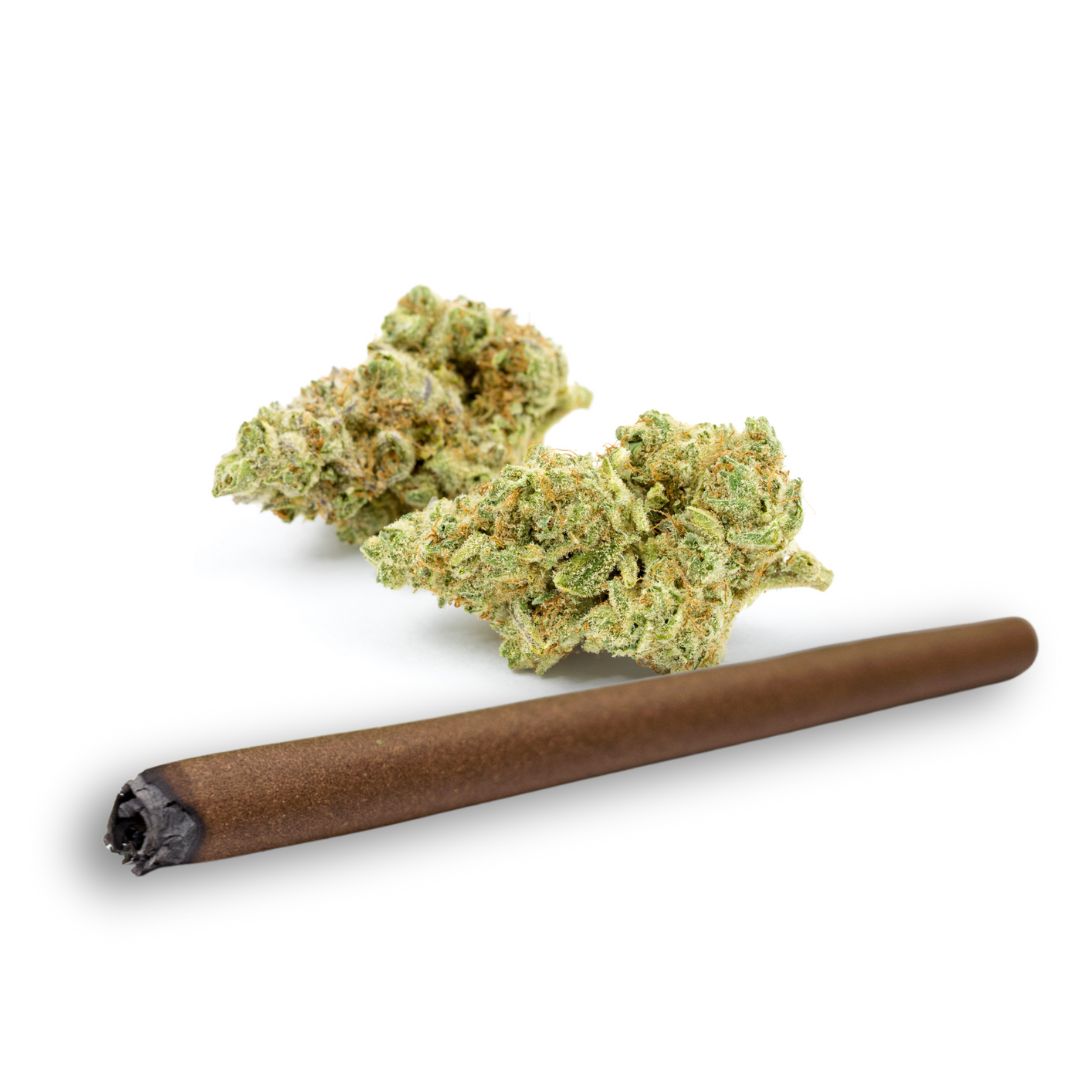
THCa (tetrahydrocannabinolic acid) is the natural, non-psychoactive precursor to THC found in raw hemp and cannabis. THCa converts to THC through heat (a process called decarboxylation), which is why THCa flower behaves like traditional THC flower once smoked or vaped.
Key Characteristics of THCa
- Naturally occurring in high quantities in hemp flower
- Psychoactive only after heating (decarboxylation)
- Federally legal under the 2018 Farm Bill when derived from hemp
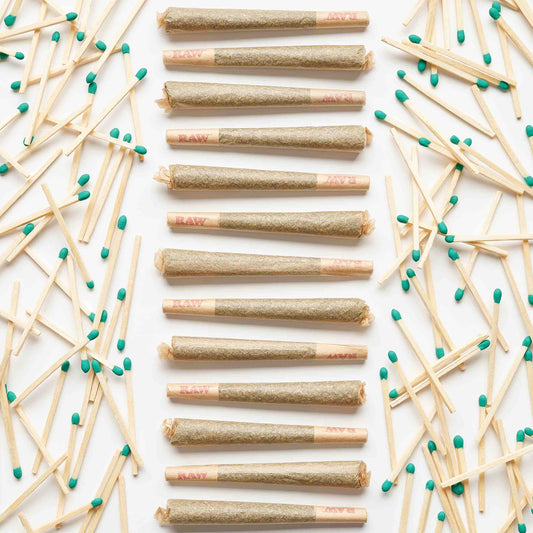
- Can be sold as flower, concentrates, edibles, prerolls, and more
- When produced by reputable brands, THCa is typically
- Regulated
- Safety-tested
- Grown organically
Because THCa products come directly from hemp flower, they’re subject to many of the same agricultural, testing, and compliance standards that consumers expect from traditional cannabis markets.
What is THCP?
THCP (tetrahydrocannabiphorol) is a rare cannabinoid that occurs in extremely small amounts in the plant. Most THCP on the market is synthetically derived through chemical conversion of CBD or other cannabinoids.
Why THCP Is So Controversial
- Up to 30x stronger than traditional THC according to early research
- Often created through chemical conversion, not extracted naturally
- Minimal regulation in most states
- Product quality varies widely
- Many THCP products lack full-panel testing
Because of its extreme potency and the common use of lab-created conversion processes, THCP products frequently fall outside mainstream hemp testing standards — meaning consumers have little visibility into solvents, contaminants, or byproducts.
This leads to sketchy products being sold with little to no oversight or testing done to ensure the products are safe, and contain what they claim to contain.
Why THCa is Considered the Safer Choice
Because THCa is naturally present in the hemp plant, it can be cultivated, harvested, and tested the same way as regulated cannabis products. This means you can verify:
✔ No pesticides
✔ No heavy metals
✔ No microbials
✔ No residual solvents
✔ Accurate cannabinoid potency
Products like ours undergo strict third-party laboratory testing, ensuring consumers know exactly what they’re getting — clean, consistent, organic THCa.
In contrast, many THCP products:
✘ Are synthesized using chemical reactions
✘ Are not grown, harvested, or extracted traditionally
✘ Lack transparent testing requirements
✘ May contain unwanted byproducts from conversion processes
✘ Are sold by brands without quality or safety standards
This leaves consumers with no assurance of purity or safety.
THCa Potency vs THCP Potency
THCa, once heated, provides a familiar THC experience. Most consumers appreciate it because it offers:
- Predictable effects
- Wide strain selection
- Classic flower aromas & terpene profiles
- A natural, whole-plant experience
THCP, however, can feel vastly different due to its binding affinity to CB1 receptors. Early research indicates it can feel much stronger than typical THC, leading to:
- Over-intoxication
- Unpredictable effects
- Increased risk for anxiety or discomfort
For many consumers, this level of potency is unnecessary and unpleasant.
THCa Legality vs THCP Legality
THCa is federally legal as long as the product contains less than 0.3% Delta-9 THC by dry weight. That’s why high-THCa hemp flower is widely available and compliant.
THCP, on the other hand, falls into a regulatory gray zone. Many states are already considering restrictions due to:
- Synthetic conversion processes
- Extreme potency
- Lack of testing standards
As regulations tighten, THCP could become significantly more restricted.